

LITERARY ICELAND
A Country Built on Stories


Iceland has one of the strongest literary traditions per capita in the world. Writing is not an elite activity here. It is part of cultural DNA. Stories are not treated as distant artifacts, but as living forms of attention passed quietly from one generation to the next.
In a landscape shaped by isolation, weather, and long seasons of darkness, words have always mattered. They connect people across time, distance, and silence.
From Sagas to Modern Voices


Icelandic literary tradition begins with the sagas. These early narratives were not written as myths or legends, but as records of lives, conflicts, and choices. Their tone was restrained, precise, and grounded.
That restraint continues in modern Icelandic literature. Contemporary writers inherit the same respect for clarity and understatement. Emotion is present, but rarely exaggerated. Meaning is allowed to emerge gradually.
The continuity is not stylistic imitation. It is an attitude. A belief that stories should observe rather than impress, and that language works best when it stays close to experience.
Why Writers Are Drawn to Iceland
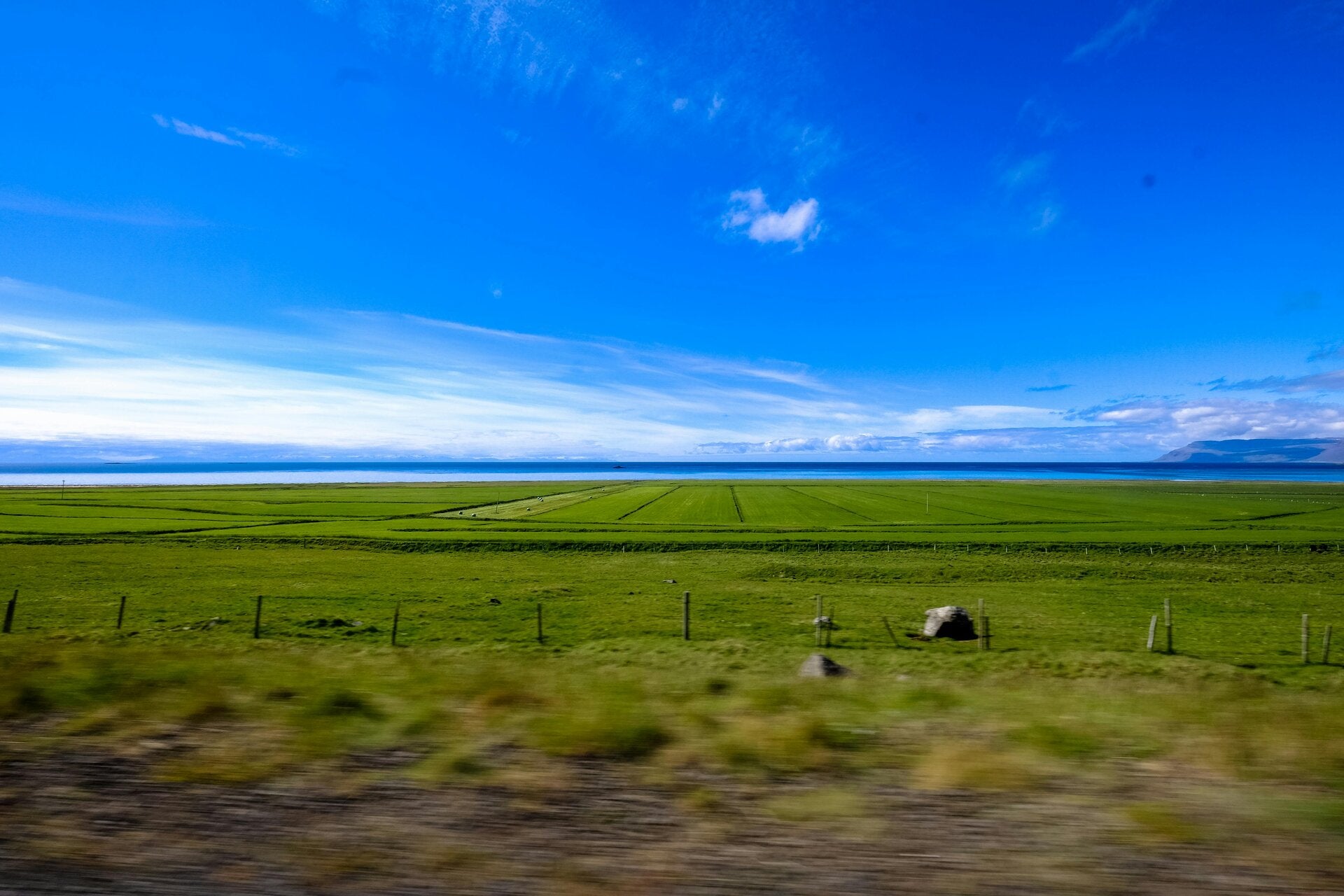
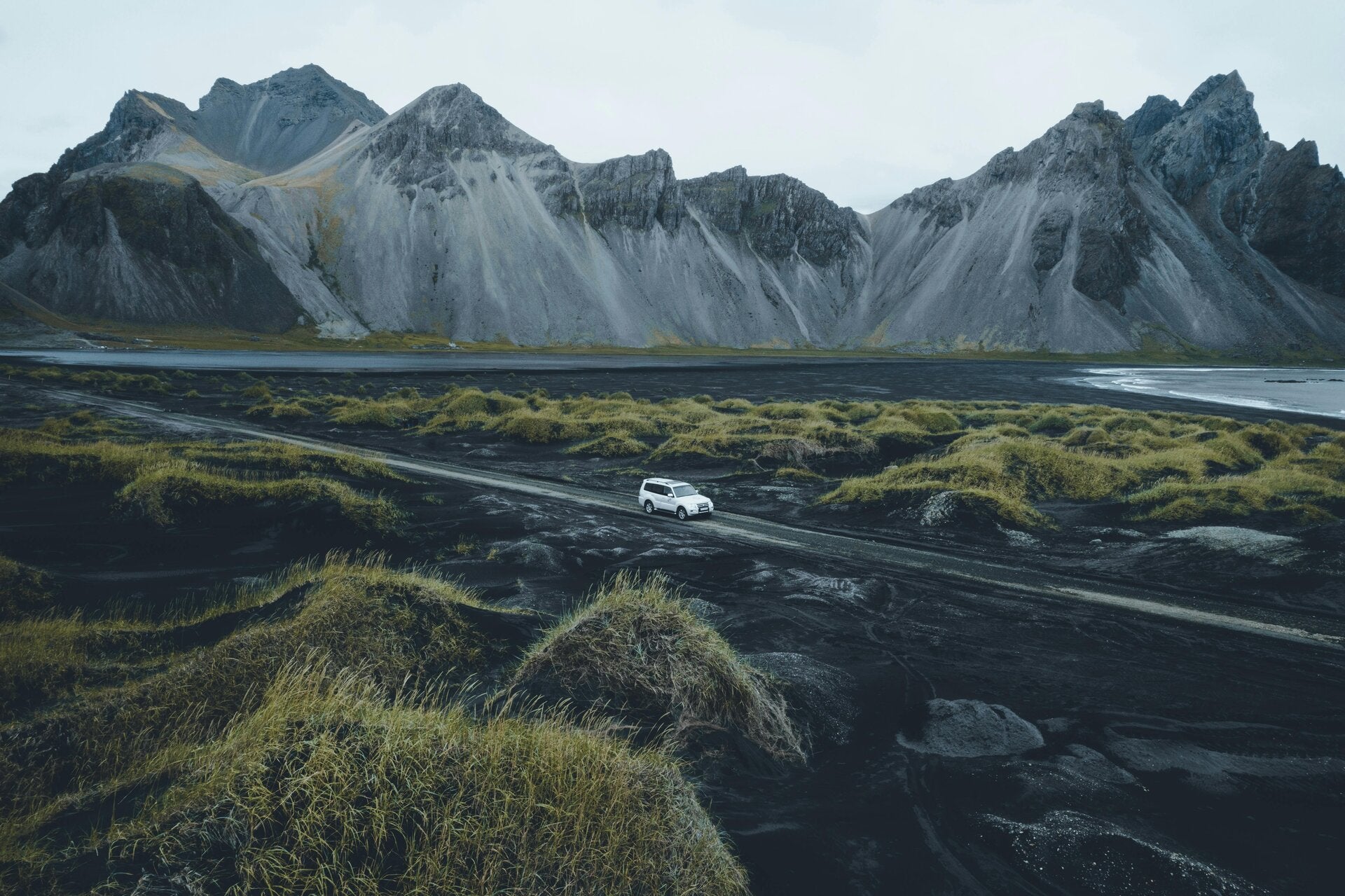
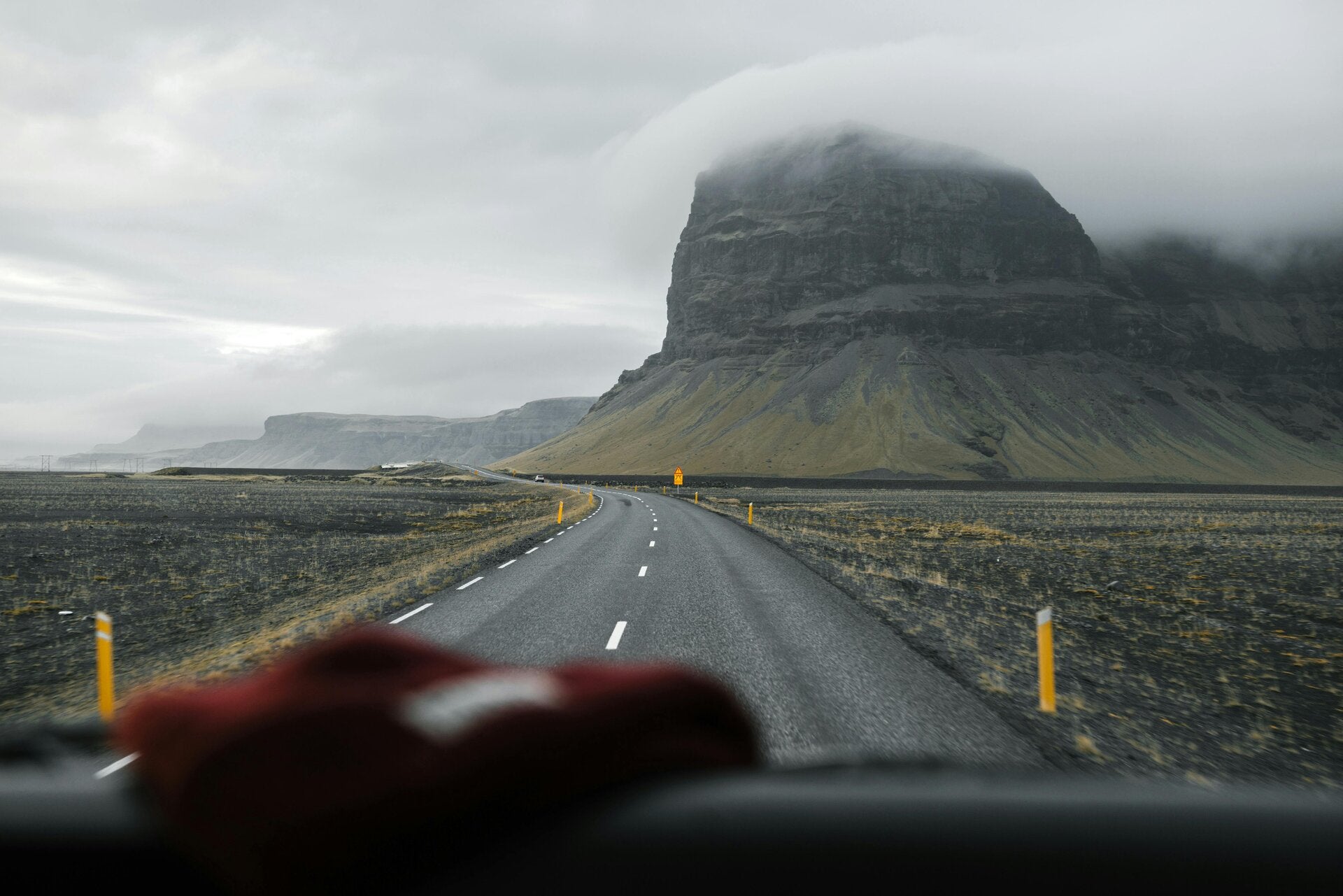
Writers are drawn to Iceland for reasons that have little to do with productivity. The attraction lies in space, silence, and the absence of unnecessary signals.
There is room to think here. Distractions are fewer. The landscape does not demand interpretation. It simply exists, creating a backdrop where concentration becomes natural rather than forced.
Long periods of darkness encourage inward attention. Daylight, when it comes, feels deliberate. Time stretches. Thought deepens.
In Iceland, writing feels less like output and more like listening.
Reading as a Slow Act


The same conditions that shape writing also shape reading. Books in Iceland are not consumed quickly. They are lived with. Pages are revisited. Sentences are allowed to settle.
The climate supports this pace. Long evenings, limited daylight, and quiet surroundings create space for attention. Reading becomes an act of presence rather than escape.
In this context, books are not tools for distraction. They are companions. They share time rather than compete for it.
Literature as Everyday Presence


Literature in Iceland exists beyond institutions. It appears in conversations, traditions, and everyday life. Writing is something people do, not something reserved for specialists.
This familiarity removes pressure. Stories are not expected to perform. They are expected to endure.
That endurance is built on patience, attention, and respect for language.
What This Means for the Reader



To read with Iceland in mind is to read differently. To allow time. To notice what is not said as much as what is.
Books feel different when the world outside is quiet.
And in that quiet, stories regain their weight.